Orchard Road Luxury Condo: PSF Trajectory 2018–2026 and What Comes Next
You're considering a $5M+ Orchard Road luxury condo. But do you know why PSF swings 15% year-over-year, which micro-locations command premiums, and what 2026 holds? Three critical factors most investors miss.
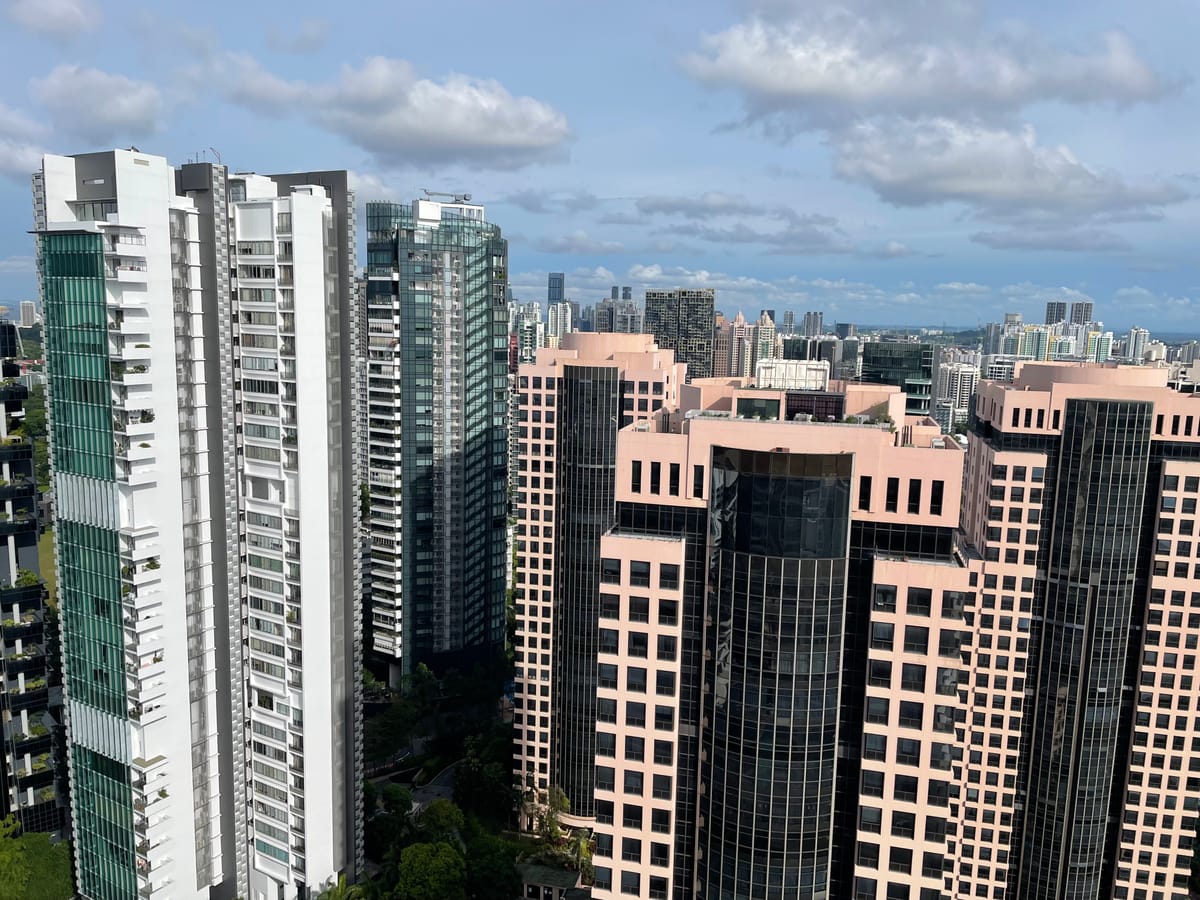
You're standing in the marble lobby of a $5 million Orchard Road luxury condo, weighing whether to sign the option. The PSF seems steep at $3,200, but the agent insists it's "market rate." You need to know: is this the peak, or just the beginning?
Here are three things most Orchard Road luxury condo buyers never discover:
1. Micro-location premiums within Orchard vary by 25-40% PSF — even within the same development cluster.
2. Ultra-luxury PSF trajectories follow different cycles than mass market, often lagging by 12-18 months.
3. The 2026 Orchard Road luxury condo PSF outlook hinges on three structural factors that most agents can't explain.
This guide covers all three. No market cheerleading — just the mechanics and the data.
What Defines Orchard Road Luxury Condo PSF Performance
Orchard Road luxury condos occupy a distinct market segment that operates differently from both mass market private housing and ultra-prime properties above $10 million. Understanding these distinctions is crucial for investors targeting the $3-8 million range.
Core Orchard Luxury ($3-5M Range)
These developments typically command $2,800-$3,500 PSF and include projects like Cairnhill Nine, Orchard Residences, and units in Grange Road clusters. They serve affluent locals upgrading from Executive Condominiums and expatriate executives on housing allowances.
Premium Orchard Luxury ($5-8M Range)
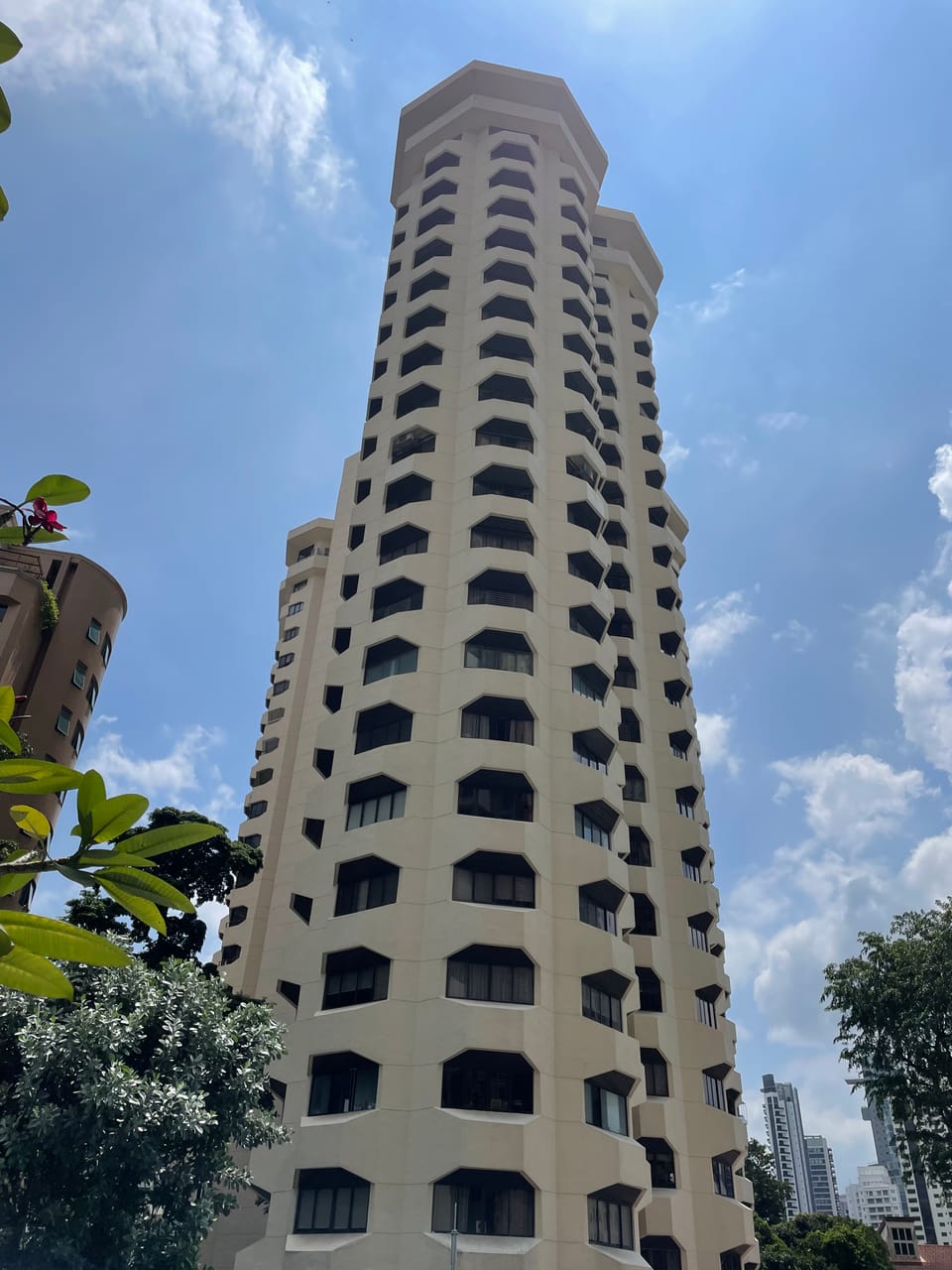
Commanding $3,500-$4,200 PSF, this segment includes select units in The Scotts Tower, Boulevard Vue, and penthouse levels in newer developments. Buyers are typically private banking clients and established business owners.
Ultra-Prime Orchard ($8M+ Range)
Above $4,200 PSF, these properties compete with Good Class Bungalows and represent trophy assets. Think penthouse units in prime Orchard developments and select landed-replacement purchases.
According to URA data, Orchard Road luxury condos (District 9 and 10 combined) averaged $3,100 PSF in Q3 2024, representing a 12% increase from 2022 levels but still 8% below the 2013 peak of $3,370 PSF.
The Mechanics of Orchard Road Luxury Condo Pricing
Orchard Road luxury condo PSF determination involves three interconnected layers that most investors underestimate.
Layer 1: Micro-Location Premiums
Even within Orchard Road, location premiums vary dramatically. Developments with direct Orchard Road frontage command 15-25% premiums over those on Grange Road or Cairnhill Road. Corner units facing both Orchard Road and cross streets add another 10-15% premium.
Height premiums follow a different pattern than mass market condos. While floors 10-20 typically command the highest premiums, ultra-high floors (above 35th) may actually trade at discounts due to wind and maintenance concerns.
Layer 2: Development Vintage and Amenities
Developments built post-2010 with full condominium facilities command premiums of 20-30% over older apartment-style buildings. However, heritage developments with unique architectural features (like The Scotts Tower's distinctive design) can maintain premium pricing despite age.
Amenity premiums are nuanced. Full-size swimming pools and gyms are baseline expectations. Differentiators include sky gardens, wine cellars, and private dining rooms that cater to the entertaining culture of this buyer segment.
Layer 3: Regulatory and Supply Constraints
The Master Plan 2019 designated much of Orchard Road as commercial, limiting new residential supply. This supply constraint underpins long-term pricing power, but also means developers target higher PSF to justify land acquisition costs.
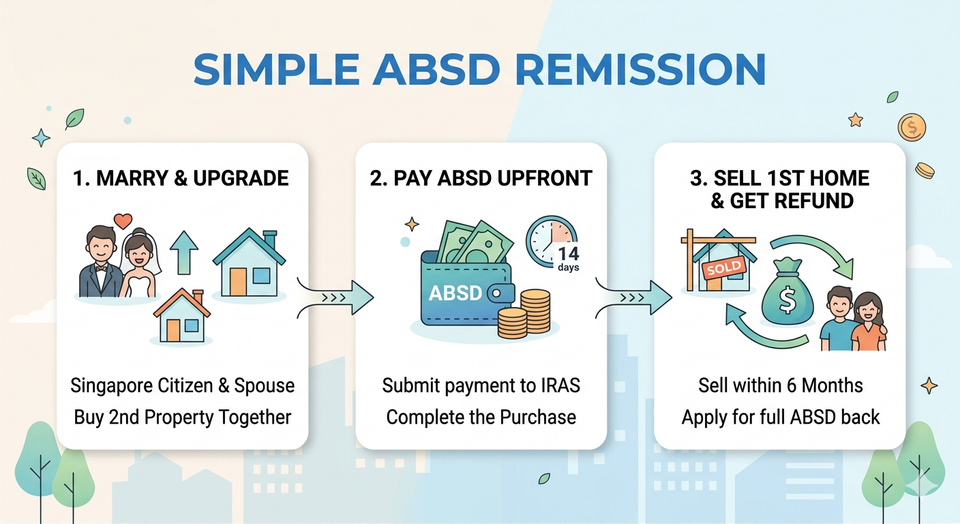
Additional Buyer's Stamp Duty (ABSD) rates significantly impact this segment. At current rates, foreign buyers pay 60% ABSD on purchases, effectively requiring 65-70% equity for financing. This narrows the buyer pool but also reduces speculative activity.
James's Note: Having managed ultra-luxury estates, I've seen how maintenance and sinking fund contributions can reach $2-3 per square foot monthly in premium Orchard developments. The marble lobbies and 24/7 concierge services aren't just for show — they're ongoing cost centers that affect long-term holding returns. Factor these into your yield calculations, especially for investment purchases.
| Price Segment | Typical PSF Range | Monthly Maintenance | Target Rental Yield |
|---|---|---|---|
| Core Luxury | $2,800-$3,500 | $1.50-$2.00 PSF | 2.5-3.0% |
| Premium Luxury | $3,500-$4,200 | $2.00-$2.50 PSF | 2.0-2.5% |
| Ultra-Prime | $4,200+ | $2.50-$3.00 PSF | 1.5-2.0% |
According to the Building and Construction Authority (BCA), luxury condominium developments must meet higher engineering standards for wind load and seismic resistance, adding 8-12% to construction costs compared to mass market projects.
Data & Performance: The 2018-2024 Trajectory
Orchard Road luxury condo PSF performance over the past six years reveals a complex pattern that defies simple narratives of consistent growth or decline.
The period began with cautious optimism. In 2018, average luxury condo PSF in Districts 9 and 10 stood at $2,950, according to URA data. This represented a recovery from the 2017 lows but remained 15% below the 2013 peak.
2019-2020 brought volatility. COVID-19 initially depressed transaction volumes by 35%, but PSF remained relatively stable as distressed selling was limited. Ultra-high-net-worth individuals, the core buyer demographic, maintained liquidity throughout the pandemic.
The 2021-2022 surge surprised many analysts. Projects like The Scotts Tower saw select units transact above $4,000 PSF for the first time since 2013. Boulevard Vue penthouses reached $4,500 PSF, driven by returning expatriate demand and local HNWI portfolio rebalancing.
However, 2023 brought correction. According to EdgeProp analysis, average luxury PSF in core Orchard locations declined 8-12% from 2022 peaks as interest rates rose and buyer sentiment cooled. Projects launched with ambitious pricing, such as certain units in Orchard Sophia, had to adjust expectations.
The mixed verdict continues into 2024. While transaction volumes remain below historical averages, PSF for trophy units has stabilized. According to Knight Frank's Q3 2024 Singapore report, prime residential prices (which include Orchard luxury condos) registered flat performance year-to-date, compared to 12% growth in 2022.
Goldman Sachs Research noted in their September 2024 Asia Pacific Real Estate outlook that Singapore's luxury residential market faces "structural headwinds from regulatory tightening and demographic shifts," but maintains "defensive characteristics relative to regional peers" due to supply constraints and currency stability.
Pros ✅ & Cons ❌
✅ Supply Constraint Premium
Orchard Road's zoning restrictions create genuine scarcity value. The Master Plan 2019 limits new residential development, while existing sites command land prices that require $3,000+ PSF to pencil out. This creates a natural floor for pricing, assuming demand remains stable.
Unlike other luxury districts where new supply can flood the market, Orchard's constraints mean your asset competes with a relatively fixed peer group.
✅ Rental Market Resilience
Orchard luxury condos maintain Singapore's most stable rental markets. Corporate housing allowances for senior expatriates typically range $8,000-$15,000 monthly, creating consistent tenant demand. The location's proximity to CBD and shopping amenities makes it a natural choice for time-constrained executives.
Vacancy periods rarely exceed 2-3 months, even during economic downturns, because the tenant profile (multinational corporation relocations, private banking clients) is less cyclical than general rental demand.
✅ Currency and Capital Control Hedge
For international investors, Singapore luxury real estate serves as a currency diversification play and potential hedge against capital controls in home markets. The Singapore dollar's relative stability and the absence of foreign exchange restrictions on property sales provide liquidity advantages over other regional luxury markets.
❌ Yield Compression
Gross rental yields in Orchard luxury condos typically range 2.0-2.8%, well below Singapore's average of 3.5-4.0% for private residential. When factoring in ABSD opportunity costs, maintenance fees, and property taxes, net yields often fall below 1.5% for foreign investors.
This makes financial sense only for buyers who prioritize capital preservation and diversification over income generation.
❌ Transaction Cost Burden
ABSD, legal fees, and buyer's stamp duty can total 25-30% of purchase price for foreign buyers. On a $5 million purchase, this represents $1.25-1.5 million in non-recoverable costs that must be overcome through appreciation before achieving positive returns.
The high transaction costs also reduce liquidity, as sellers need significant appreciation to break even on rapid resales.
❌ Demographic Shift Risk
Singapore's evolving expatriate policies and remote work trends could reduce demand from traditional buyer segments. Companies are increasingly offering local housing allowances rather than Western-standard packages, while some senior executives choose landed properties over luxury condos.
The aging of Singapore's first-generation ultra-wealthy also creates uncertainty about intergenerational wealth transfer patterns and property preferences.
The 3 Questions to Ask Before Buying Orchard Road Luxury Condos
What's Your Holding Period and Exit Strategy?
Orchard luxury condos require minimum 5-7 year holding periods to overcome transaction costs and capture appreciation cycles. The high ABSD burden means short-term speculation is financially destructive.
Consider your exit strategy now. Will you sell to another investor, occupy personally, or transition to rental income? Each path has different optimal unit configurations and price points. A $3.5 million 2-bedroom unit appeals to different exit buyers than a $6 million 4-bedroom penthouse.
How Does This Fit Your Portfolio Allocation?
Orchard luxury condos should represent no more than 15-25% of investable assets for most HNWI portfolios, given their illiquidity and concentration risk. They work best as portfolio stabilizers rather than growth drivers.
Calculate the true cost of capital. If you're borrowing at 4.5% to buy a property yielding 2.5% gross, you need 3-4% annual appreciation just to break even. In a low-growth environment, this becomes challenging to achieve consistently.
Have You Stress-Tested the Rental Market?
Visit comparable rental listings and speak with tenants about their decision criteria. Understanding tenant preferences helps identify which unit features command rent premiums versus those that add cost without rental value.
For example, study rooms are highly valued by expatriate families but wine cellars appeal to a narrower tenant base. City views command premiums, but extremely high floors may actually reduce rental appeal due to elevator wait times and wind concerns.
Who Should Buy
Strong fit: Ultra-high-net-worth individuals with $10+ million liquid assets seeking Singapore exposure, portfolio diversification, and capital preservation. Ideal buyers have 10+ year investment horizons, minimal leverage needs, and view the purchase as wealth protection rather than yield generation. Family offices looking to establish Singapore presence often find Orchard luxury condos provide both investment returns and lifestyle optionality for principals.
Expatriate executives on long-term Singapore assignments (3+ years) with substantial housing allowances also represent strong fits, particularly if purchase prices align with rental cost savings over time.
Weaker fit: Investors seeking high rental yields or rapid capital appreciation should look elsewhere. The 2-3% gross yields and high transaction costs make these properties unsuitable for income-focused strategies. Leverage-dependent investors also face challenges, as high ABSD requirements limit loan-to-value ratios.
First-time Singapore property buyers should gain experience with more liquid, higher-yielding assets before venturing into Orchard luxury condos. The specialized nature of this market segment requires understanding of maintenance obligations, tenant management, and exit timing that comes with experience.
Bottom Line
Orchard Road luxury condo PSF trajectories reflect broader Singapore luxury property fundamentals: supply constraints supporting pricing floors, but yield compression and transaction costs limiting speculative appeal. The 2018-2024 period demonstrated both resilience during global uncertainty and sensitivity to interest rate cycles.
Looking toward 2026, expect PSF growth in the 2-4% annual range, driven more by scarcity value than demand expansion. The segment will likely bifurcate, with trophy assets maintaining premiums while secondary luxury units face pricing pressure from new suburban luxury supply.
The key insight: Orchard Road luxury condos work best as wealth preservation tools rather than growth investments, serving sophisticated portfolios that prioritize stability over returns in an uncertain global environment.
Evaluating a specific Orchard Road luxury condo and need the real numbers on maintenance costs, rental potential, and comparable sales?
I'm James Ong, CEA-licensed PropNex consultant (CEA Reg No. R008385F) and former Managing Agent across EC to Ultra-Luxury estates. I understand not just how to buy a condominium — but what it costs and takes to run one. A perspective almost no property agent in Singapore can offer.
Having managed ultra-luxury developments, I can show you the actual operating costs, typical maintenance issues, and realistic rental yields that marketing brochures never reveal. For luxury condo investors, this operational insight often matters more than purchase price negotiations.
WhatsApp me at 91111173 — bring your shortlisted developments, I'll show you the real numbers behind the marble facades.