Why Buying a New Launch Beats Waiting for an En Bloc Windfall — Thomson View Explains Why
Thomson View sold for $810M after 17 years of failed attempts. Here's what the headlines missed — and why buyers who chose new launches instead came out significantly ahead.
Thomson View Just Sold for $810M. But Here’s What the Headlines Missed.
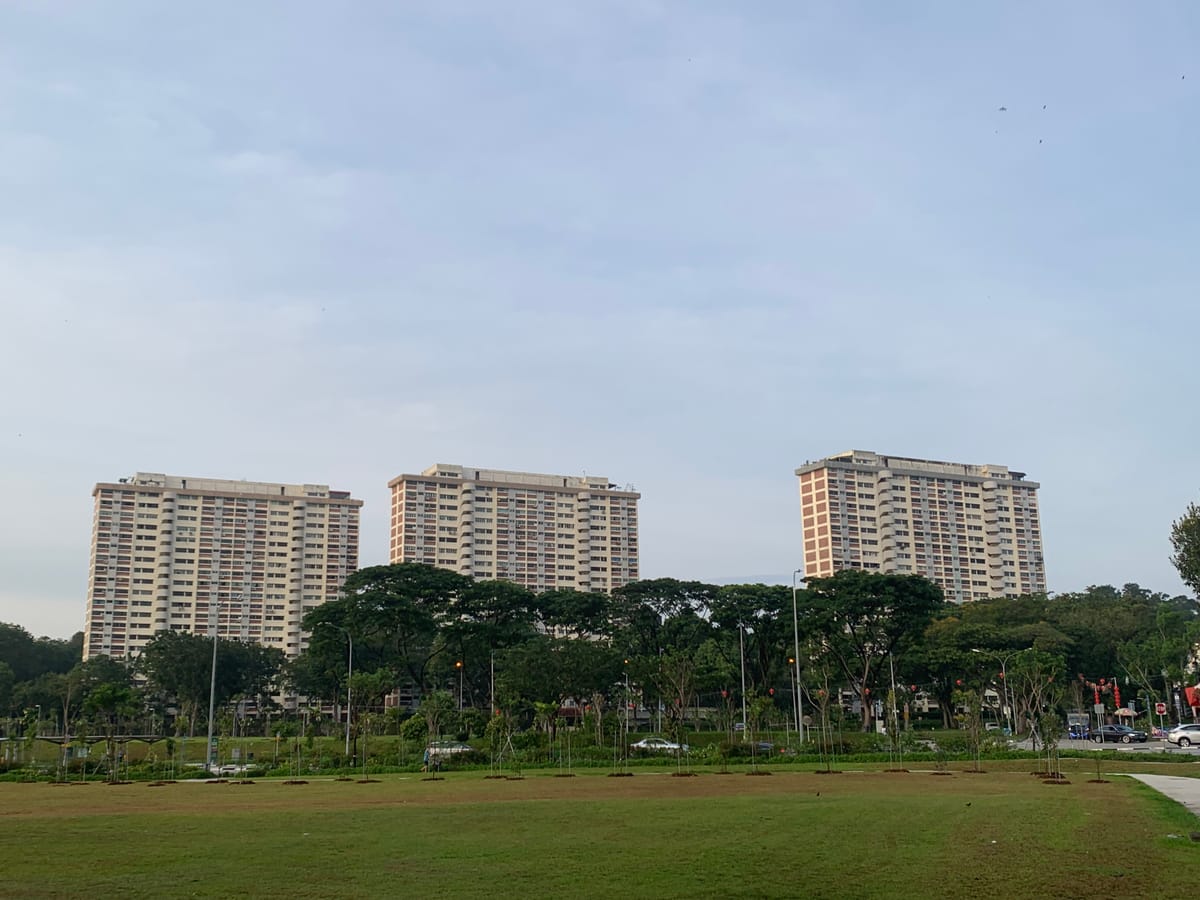
The successful en bloc sale of Thomson View for S$810 million made waves in March 2025. After 17 years and multiple failed attempts, UOL and CapitaLand finally closed the deal — and overnight, owners of nearby aging condos started doing mental maths.
Could Braddell View be next? What about Lakeview?
It’s a reasonable question. But before you park your wealth in an aging development hoping for a collective sale payout, consider what the data actually says about where the money moves.
Spoiler: it’s not in the waiting game.
The En Bloc Dream Is Real — But the Odds Aren’t
Thomson View’s sale is a genuine milestone. The site will be redeveloped into approximately 1,240 new units, and owners will walk away with meaningful payouts after nearly two decades of hope.
That’s the dream. Here’s the reality check.
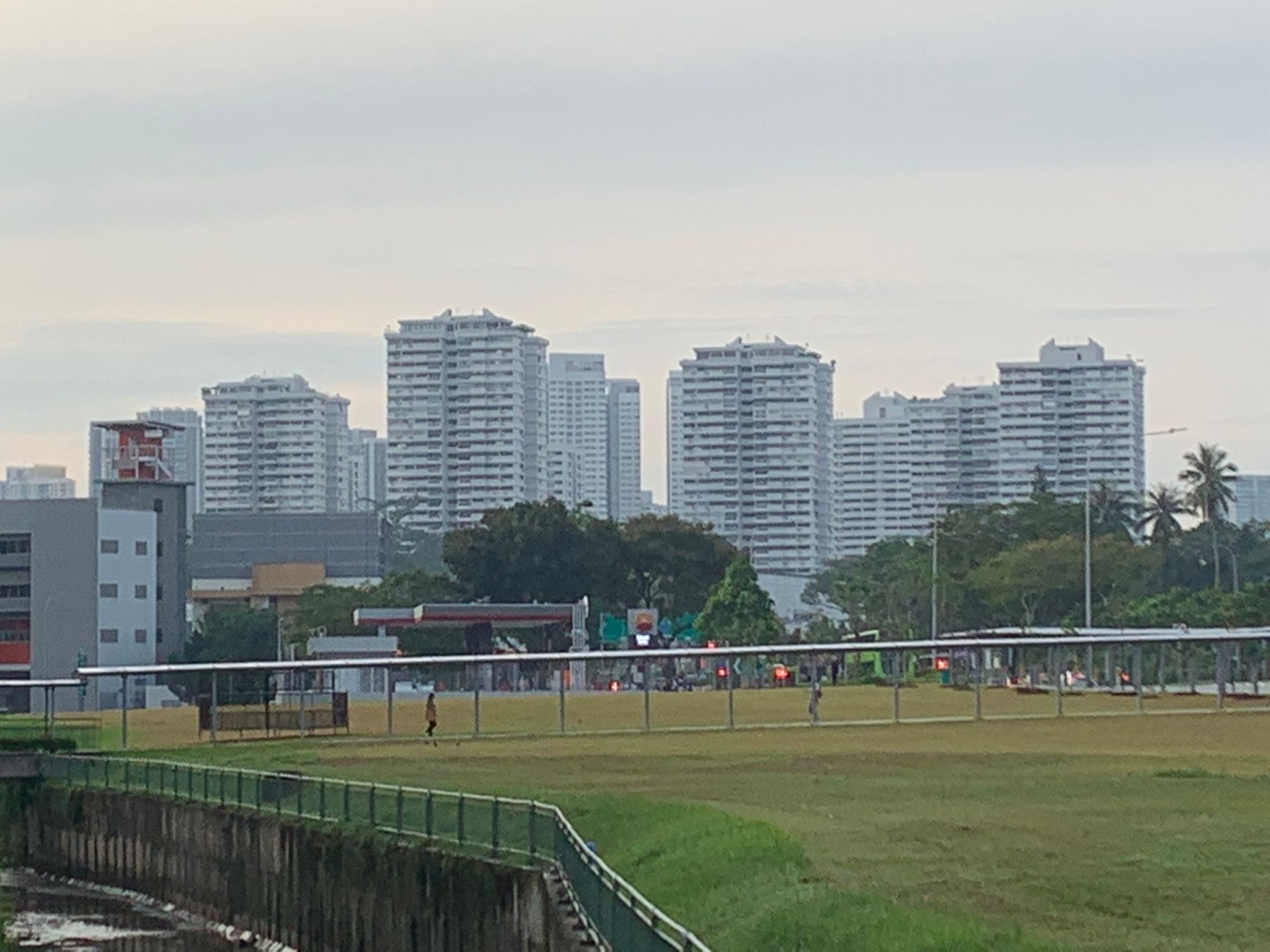
En bloc sales require 80% owner consensus. At a development like Braddell View — one of Singapore’s largest private estates with over 1,000 units — coordinating that consensus is a structural challenge that has defeated collective efforts for years. Size is not a feature in en bloc negotiations. It’s friction.
Lakeview faces similar headwinds. Proximity to amenities and transport links (shared by both developments) does make them theoretically attractive to developers. But “theoretically attractive” and “successfully transacted” are separated by years of negotiation, legal hurdles, and market timing that no buyer can control.
You are not investing in a property when you buy into an en bloc candidate. You are buying a lottery ticket with carrying costs.
What New Launch Buyers Understand That En Bloc Dreamers Don’t
While Braddell View owners have been waiting, Singapore’s private property index has posted nine consecutive years of gains — approximately 3.4% in 2025 alone, following 3.9% in 2024 and 6.8% in 2023, according to UOB Economics and Markets Research (January 2026).
New launch buyers captured every one of those gains. En bloc hopefuls spent those years in aging stock, managing maintenance costs, and hoping.
The compounding difference matters more than most buyers realise.
A new launch purchased in 2021 at $1,800 psf in a comparable Singapore district is now trading at a materially different number. The same capital locked in an aging development waiting for a collective sale has produced uncertainty — not returns.
Income trends support continued demand. UOB Research’s January 2026 Outlook Seminar highlighted rising household income as a primary demand driver for Singapore property, alongside strong household liquidity and historically low leverage ratios. These are the fundamentals that push new launch prices upward over time — systematically, not speculatively.
The Developer Calculus You Should Understand
When UOL and CapitaLand paid S$810 million for Thomson View, they weren’t doing charity. They ran the numbers on redevelopment yield, land cost per square foot, and projected launch prices for 1,240 new units.
That tells you something important: developers believe new launch prices in this corridor will be significantly higher than what they paid today.
If the developer’s margin is built on the gap between their acquisition cost and future new launch prices, the rational move for a buyer is to step in on the new launch side — not to hope you’re the asset they’ll eventually acquire.
You want to be where the developer is selling, not where they are buying.
New Launches in 2026: What the Supply Picture Looks Like
Singapore’s GDP growth is forecast to moderate to 2.6% in 2026 from an outperforming 4.8% in 2025, per UOB Research — reflecting some tariff-induced headwinds on key trading partners. But the housing market’s demand drivers remain structurally intact: household formation, rising incomes, and a highly liquid, low-leverage buyer base.
On the supply side, new launch pipelines in established central and near-central corridors remain constrained. When Thomson View’s 1,240 units eventually come to market — likely 2027 or beyond — they will launch at prices reflecting today’s elevated land cost of acquisition, construction inflation, and developer margin.
Buyers who move in 2025–2026 on well-located new launches are buying ahead of that repricing.
The Honest Case for Following En Bloc Activity — And Its Limits
To be fair: tracking en bloc activity does provide useful market intelligence. When developers pay a premium for land in a specific corridor, it signals conviction about price recovery and future demand in that area.
Thomson View’s acquisition is a directional signal that the Upper Thomson, Braddell, and Bishan corridor has institutional backing. That’s worth knowing.
But the right response to that signal is not to buy aging stock in the same corridor and wait. It’s to identify the new launches that benefit from the same locational thesis — and buy those instead.
You get the upside of the corridor’s momentum. You don’t take on the execution risk of a collective sale that may never happen.
The Bottom Line: Don’t Wait for a Sale That Might Take Another 17 Years
Thomson View’s story is instructive precisely because it took 17 years and multiple failed attempts. The owners who eventually received their payout did well — but consider the opportunity cost of capital locked in an aging development from 2007 to 2025.
Singapore’s private property index more than doubled over that period for buyers who moved decisively into quality new launches.
En bloc is a story about what developers want to buy. New launches are a story about what buyers get to own — at the price developers will eventually need to beat.
If you’re serious about building wealth through property, the question isn’t whether Braddell View will go en bloc. The question is: which new launch in 2026 gives you the best entry point into a corridor with proven institutional demand?
That’s the conversation worth having.
Data sources: UOB Global Economics & Markets Research (January 2026 Outlook Seminar); Singapore private property index 2020–2025; URA land transaction records. All forecasts reflect analyst projections as of January 2026 and are subject to change.
Interested in identifying the right new launch entry point for your profile? [Insert advisor CTA — specific, not generic.]